Root dossier
The Power of Astragalus: Unveiling Its Benefits and Safety
Discover the health benefits and safety of astragalus, a powerful herb known for immune support and cardiovascular health.

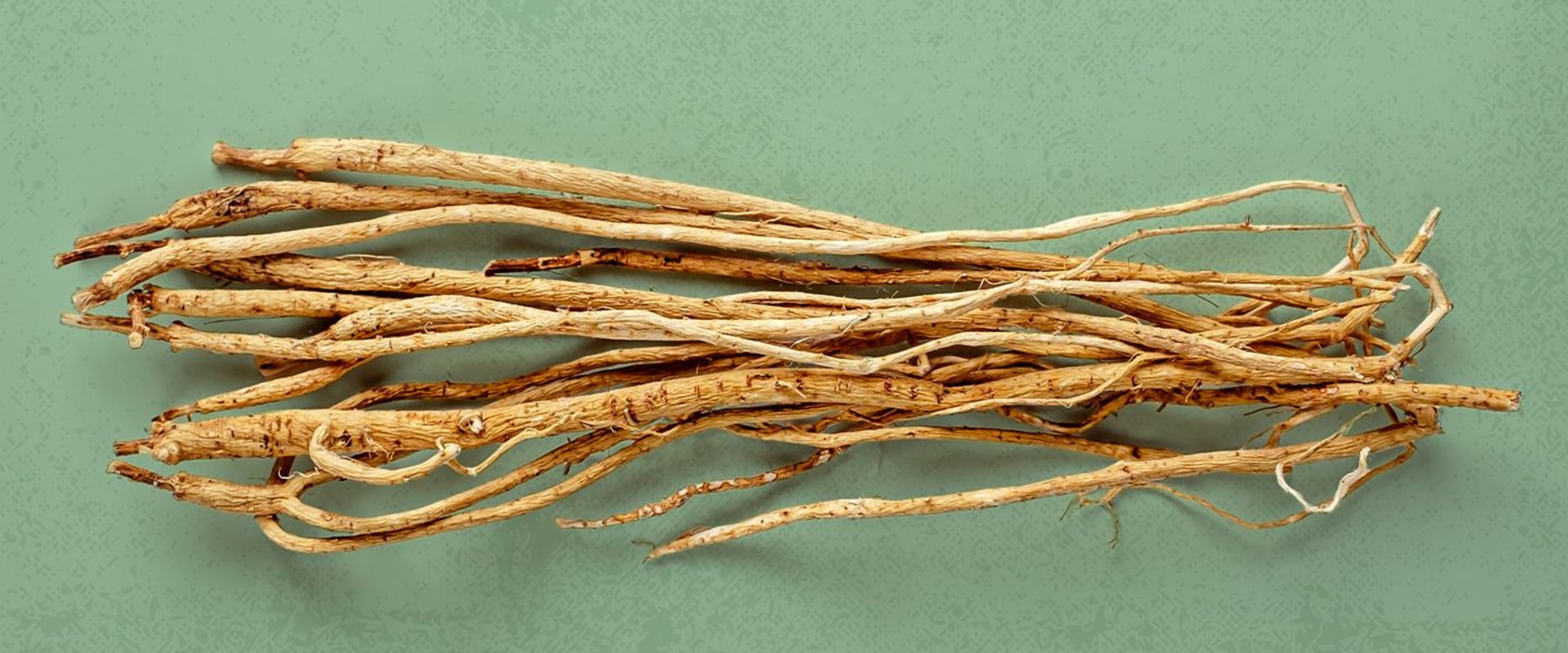
Astragalus, a member of the legume family, has been revered for centuries in traditional Chinese medicine for its remarkable health-promoting properties. Known scientifically as Astragalus membranaceus, this herb has a rich history that dates back over 2,000 years, where it was primarily used to enhance vitality and support the immune system. Its roots have been utilized not only for their medicinal benefits but also as a vital component in various herbal formulations aimed at improving overall health and longevity, much like the benefits of Ashwagandha for Stress Relief A Comprehensive Overview. In recent years, the interest in , this herb has a rich history that dates back over 2,000 years, where it was primarily used to enhance vitality and support the immune system. Its roots have been utilized not only for their medicinal benefits but also as a vital component in various herbal formulations aimed at improving overall health and longevity, much like the benefits of Ashwagandha for Stress Relief A Comprehensive Overview. In recent years, the interest in astragalus benefits has surged, driven by a growing body of scientific research that validates many of its traditional uses. Modern studies have begun to uncover the mechanisms behind its effects, revealing that astragalus contains potent compounds such as polysaccharides and flavonoids, which contribute to its immune-boosting and anti-inflammatory properties.
This newfound recognition has led to its incorporation into dietary supplements and wellness products, making it more accessible to those seeking natural health solutions. The rise of astragalus in contemporary health discussions is not merely a trend; it reflects a broader shift towards holistic approaches to wellness. As people increasingly seek alternatives to conventional medicine, the exploration of herbs like astragalus offers promising avenues for enhancing health without the side effects often associated with pharmaceuticals. This section will delve deeper into the myriad benefits of astragalus, examining its historical significance and the scientific evidence supporting its use today.
Understanding Astragalus: A Brief Overview
Astragalus, a member of the Fabaceae family, is a genus that encompasses over 2,000 species of flowering plants. Among these, Astragalus membranaceus , commonly known as Huang Qi or milk vetch, is the most widely recognized and utilized in traditional medicine.This perennial herb is native to the temperate regions of Asia and has been a cornerstone of traditional Chinese medicine (TCM) for centuries. The plant typically grows to about 1 meter in height and features distinctive yellow flowers that bloom in clusters. Its roots are the primary part used for medicinal purposes, harvested for their rich content of bioactive compounds. These roots are often dried and processed into powders, extracts, or teas.
Traditional Uses of Astragalus
In TCM, astragalus is revered for its ability to enhance vitality and strengthen the immune system. It is often prescribed to combat fatigue, improve overall health, and support recovery from illness.Additionally, astragalus is believed to have adaptogenic properties, helping the body adapt to stress and promoting balance within various bodily systems.
Active Compounds in Astragalus
The health benefits attributed to astragalus are largely due to its rich composition of active compounds. Key constituents include:- Polysaccharides: These complex carbohydrates are known for their immune-boosting properties and ability to enhance cellular function.
- Saponins: These compounds contribute to astragalus's anti-inflammatory effects and may help lower cholesterol levels.
- Flavonoids: Known for their antioxidant properties, flavonoids help protect cells from oxidative stress and may reduce the risk of chronic diseases.
- Amino Acids: Essential for various bodily functions, amino acids found in astragalus support protein synthesis and overall health.
Health Benefits of Astragalus
Astragalus, a staple in traditional Chinese medicine, is increasingly recognized for its wide array of health benefits. This herb is particularly noted for its ability to support the immune system, promote cardiovascular health, and potentially enhance longevity.Immune System Support
One of the most compelling reasons to consider incorporating astragalus into your wellness routine is its potential to bolster the immune system.
Research indicates that astragalus may enhance the activity of immune cells, such as macrophages and natural killer cells, which play a crucial role in defending the body against pathogens. A study published in the journal Phytotherapy Research found that polysaccharides extracted from astragalus roots significantly increased the production of immune-related cytokines, thereby enhancing overall immune response.
Moreover, astragalus has been shown to have adaptogenic properties, helping the body adapt to stress and maintain homeostasis. This can be particularly beneficial during cold and flu seasons when the immune system is under increased pressure.
Cardiovascular Health
Astragalus also shows promise in promoting cardiovascular health. Studies suggest that it may help lower blood pressure and improve circulation.
For instance, a clinical trial demonstrated that participants who took astragalus experienced significant reductions in diastolic blood pressure compared to those who did not. Additionally, astragalus may help reduce cholesterol levels and improve endothelial function, which is vital for maintaining healthy blood vessels.
The herb's antioxidant properties also contribute to heart health by combating oxidative stress, a key factor in cardiovascular diseases. By reducing inflammation and improving blood flow, astragalus may serve as a valuable ally in preventing heart-related issues.
Anti-Inflammatory Properties
Astragalus contains various compounds that exhibit anti-inflammatory effects. Chronic inflammation is linked to numerous health conditions, including heart disease and autoimmune disorders.
By modulating inflammatory pathways, astragalus may help alleviate symptoms associated with these conditions and promote overall well-being.
Potential Effects on Longevity
Some studies suggest that astragalus may have effects on longevity due to its ability to enhance cellular repair mechanisms and reduce oxidative damage. The herb contains a compound called astragaloside IV, which has been shown to promote telomere lengthening—an important factor in cellular aging. While more research is needed in this area, the preliminary findings are promising for those interested in natural ways to support healthy aging.
In summary, the health benefits of astragalus are multifaceted, ranging from immune support to cardiovascular health and potential longevity effects. As with any supplement, it is advisable to consult with a healthcare professional before adding it to your regimen.
Immune System Support: How Astragalus Works
Astragalus, a staple in traditional Chinese medicine, is renowned for its ability to enhance the immune system.The herb contains a variety of bioactive compounds, particularly polysaccharides, which play a crucial role in modulating immune responses. These polysaccharides are complex carbohydrates that have been shown to stimulate the activity of immune cells, thereby bolstering the body's defense mechanisms against pathogens. Research indicates that astragalus polysaccharides can enhance the proliferation of lymphocytes, which are vital components of the immune system. A study published in the journal Phytotherapy Research demonstrated that these polysaccharides significantly increased the production of cytokines, which are signaling molecules that help regulate immune responses. This suggests that astragalus may not only support existing immune function but also enhance the body’s ability to respond to new threats. In addition to polysaccharides, astragalus contains flavonoids and saponins, which contribute to its immune-boosting properties.
Flavonoids are known for their antioxidant effects, helping to protect immune cells from oxidative stress. Saponins, on the other hand, have been shown to stimulate macrophage activity—macrophages are essential for engulfing and destroying pathogens. Several clinical studies have explored the effectiveness of astragalus in enhancing immune function. For instance, a randomized controlled trial involving patients undergoing chemotherapy found that those who supplemented with astragalus experienced fewer infections and improved overall immune function compared to those who did not receive the supplement. This highlights astragalus's potential as an adjunct therapy for individuals with compromised immune systems. Moreover, astragalus has been shown to modulate the gut microbiome, which plays a significant role in overall immunity.
A healthy gut microbiome is essential for optimal immune function, as it helps regulate inflammation and supports the production of antibodies. By promoting a balanced gut flora, astragalus may further enhance its immune-supportive effects. In summary, the immune benefits of astragalus stem from its rich composition of polysaccharides and other bioactive compounds that work synergistically to enhance immune function. With ongoing research supporting its efficacy, incorporating astragalus into your health regimen could be a valuable strategy for boosting your body's natural defenses.
Cardiovascular Health and Astragalus
Astragalus, a revered herb in traditional Chinese medicine, has garnered attention for its potential cardiovascular benefits. Recent studies suggest that this powerful herb may play a significant role in promoting heart health and regulating blood pressure, making it a valuable addition to a heart-healthy lifestyle. One of the most compelling areas of research focuses on the impact of astragalus on blood pressure regulation.A study involving participants who received daily doses of astragalus demonstrated notable improvements in diastolic blood pressure, which is the lower number in a blood pressure reading. After one year, those taking 10 grams of astragalus daily showed better results compared to those receiving standard treatment alone. This finding suggests that astragalus may help maintain healthy blood pressure levels, potentially reducing the risk of hypertension-related complications. In addition to its effects on blood pressure, astragalus is believed to enhance overall heart health. The herb contains various bioactive compounds, including flavonoids and polysaccharides, which are known for their antioxidant properties.
These compounds can help combat oxidative stress, a significant contributor to cardiovascular diseases. By reducing oxidative damage to blood vessels and heart tissues, astragalus may support better cardiovascular function. Moreover, some studies indicate that astragalus may improve lipid profiles by lowering levels of bad cholesterol (LDL) while increasing good cholesterol (HDL). This balance is crucial for maintaining healthy arteries and preventing plaque buildup, which can lead to heart attacks and strokes. While the evidence supporting the cardiovascular benefits of astragalus is promising, it is essential to approach its use with caution. Individuals with existing heart conditions or those taking medications for heart health should consult with a healthcare professional before incorporating astragalus into their regimen.
This ensures that any potential interactions with medications are considered and that the herb is used safely. In conclusion, the potential cardiovascular benefits of astragalus are supported by emerging research highlighting its role in blood pressure regulation and overall heart health. As more studies are conducted, we may gain further insights into how this ancient herb can contribute to modern cardiovascular wellness.
Astragalus and Anti-Inflammatory Properties
Astragalus, a staple in traditional Chinese medicine, is increasingly recognized for its anti-inflammatory effects. Chronic inflammation is a significant contributor to various health issues, including heart disease, diabetes, and autoimmune disorders. By exploring the mechanisms through which astragalus may reduce inflammation, we can better understand its potential role in chronic disease prevention. One of the primary components of astragalus is a group of compounds known as polysaccharides.Research indicates that these polysaccharides can modulate the immune response and inhibit the production of pro-inflammatory cytokines. Cytokines are signaling molecules that play a crucial role in the inflammatory process. By reducing their levels, astragalus may help mitigate inflammation and its associated symptoms. In addition to polysaccharides, astragalus contains flavonoids and saponins, which also exhibit anti-inflammatory properties. These compounds work synergistically to enhance the body’s natural defenses against inflammation.
For instance, studies have shown that astragalus extract can significantly lower markers of inflammation such as C-reactive protein (CRP) and interleukin-6 (IL-6), both of which are commonly elevated in chronic inflammatory conditions. Moreover, astragalus has been linked to improved outcomes in various chronic diseases characterized by inflammation. For example:
- Cardiovascular Health: Chronic inflammation is a known risk factor for heart disease. Astragalus may help lower blood pressure and improve lipid profiles, contributing to overall cardiovascular health.
- Diabetes Management: Inflammation plays a role in insulin resistance. Some studies suggest that astragalus can enhance insulin sensitivity and reduce blood sugar levels.
-
Autoimmune Disorders: Conditions like rheumatoid arthritis and lupus involve chronic inflammation.
Astragalus may help alleviate symptoms by modulating immune responses.
Safety and Side Effects of Astragalus
When considering the incorporation of astragalus into your daily routine, understanding its safety profile is crucial. This ancient herb, revered in traditional medicine, has garnered attention for its potential health benefits, but it is equally important to be aware of any possible side effects and interactions with other substances.Is Astragalus Safe?
Research indicates that astragalus is generally safe for most individuals when taken at recommended doses.
Studies have shown that doses of up to 60 grams per day can be tolerated for periods of up to four months without significant adverse effects. However, individual responses can vary, and it is essential to approach any new supplement with caution.
Astragalus Side Effects
While serious side effects are rare, some individuals may experience mild reactions. Commonly reported side effects include:
- Digestive issues such as diarrhea or nausea
- Allergic reactions, which may manifest as skin rashes or itching
- Fatigue or dizziness in some cases
Potential Interactions
Astragalus may interact with certain medications and other herbal supplements. Notably, it has been found to potentially enhance the effects of immunosuppressive drugs, which could lead to complications for individuals with autoimmune conditions or those undergoing organ transplants.
Additionally, astragalus may interact with:
- Blood thinners, increasing the risk of bleeding
- Diabetes medications, potentially affecting blood sugar levels
- Certain antihypertensive drugs, which could lead to low blood pressure
Recommended Dosage and Usage Guidelines for Astragalus
When considering the incorporation of astragalus into your daily routine, understanding the appropriate dosage and methods of consumption is crucial for maximizing its health benefits while ensuring safety. Below are some guidelines to help you navigate the use of this powerful herb.Recommended Dosage
The typical dosage of astragalus can vary based on the form in which it is consumed. Here are some general recommendations:-
Powdered Root: For those using powdered astragalus root, a common dosage ranges from 1 to 3 grams per day.
This can be mixed into smoothies, soups, or teas.
- Capsules: Astragalus is widely available in capsule form, with standard dosages typically between 500 mg to 1,000 mg taken two to three times daily. Always follow the manufacturer's instructions on the label.
- Tinctures: If you prefer liquid extracts, tinctures are another option. A common recommendation is to take 1 to 2 ml of tincture two to three times a day, but this can vary based on concentration.
-
Teas: Astragalus can also be brewed as a tea. To prepare, steep 1 to 2 teaspoons of dried astragalus root in hot water for about 10-15 minutes.
Drinking this tea once or twice daily can be beneficial.
How to Take Astragalus
Incorporating astragalus into your diet can be done in several ways:- With Food: Taking astragalus with meals may enhance absorption and reduce any potential digestive discomfort.
- As a Supplement: If you choose capsules or tinctures, consider taking them at the same time each day to establish a routine.
- In Recipes: Astragalus powder can be added to various recipes, such as smoothies or soups, allowing for easy integration into your diet.
Astragalus in Modern Medicine: Current Research Trends
In recent years, the interest in astragalus has surged within the scientific community, leading to a variety of clinical studies aimed at uncovering its potential health benefits. Researchers are particularly focused on its applications in enhancing immune function, supporting cardiovascular health, and even its role in cancer treatment. One notable area of research is the herb's impact on the immune system. A study published in the Journal of Ethnopharmacology highlighted that polysaccharides extracted from Astragalus membranaceus can stimulate immune cell activity, particularly in macrophages and lymphocytes.This suggests that astragalus may enhance the body’s ability to fend off infections and diseases. Additionally, clinical trials have explored the effects of astragalus on cardiovascular health. A meta-analysis of several studies indicated that patients who incorporated astragalus into their treatment regimen experienced significant improvements in blood pressure and lipid profiles. These findings point to the herb's potential as a complementary therapy for individuals with hypertension or high cholesterol. Moreover, ongoing research is investigating the role of astragalus in oncology. Preliminary studies suggest that certain compounds within astragalus may inhibit tumor growth and enhance the efficacy of chemotherapy drugs.
For instance, a clinical trial involving cancer patients showed that those who took astragalus alongside standard treatment reported fewer side effects and improved quality of life. Looking ahead, the future of astragalus in modern medicine appears promising. Researchers are advocating for more rigorous clinical trials to better understand its mechanisms of action and to establish standardized dosages. There is also a growing interest in exploring its synergistic effects when combined with other herbal remedies or conventional medications. As we continue to uncover the myriad benefits of this ancient herb, it is essential for healthcare professionals to stay informed about the latest research findings. This will not only enhance patient care but also pave the way for integrating astragalus into mainstream medical practices.
<strong>Conclusion</strong>: The Promise of Astragalus for Health and Wellness
In summary, the exploration of astragalus benefits reveals a wealth of potential health advantages that have been recognized for centuries, particularly in traditional Chinese medicine.This remarkable herb is not only celebrated for its immune-boosting properties but also shows promise in enhancing cardiovascular health, supporting kidney function, and even contributing to cognitive wellness. Research indicates that astragalus may help improve blood circulation and reduce markers associated with cardiovascular issues, such as diastolic blood pressure and waist circumference. Additionally, its polysaccharides are believed to play a crucial role in modulating immune responses, making it a valuable ally in maintaining overall health. However, while the potential benefits of astragalus are compelling, it is essential to approach its use with caution. The importance of consulting with a healthcare professional cannot be overstated. Individual health conditions, existing medications, and possible interactions with other herbs must be carefully considered before incorporating astragalus into your daily regimen. Moreover, adhering to recommended dosages is vital for ensuring safety and maximizing the herb's effectiveness.
Although studies have shown that doses up to 60 grams daily can be safe for short-term use, it is crucial to monitor your body's response and adjust accordingly. In conclusion, astragalus stands out as a promising herbal supplement with numerous potential health benefits. Its rich history and growing body of scientific evidence support its use as a natural remedy. Yet, the key to harnessing its full potential lies in informed decision-making and professional guidance. By prioritizing safety and understanding the nuances of this powerful herb, individuals can make educated choices that contribute to their overall health and wellness.